Blog
Blog

What Is a Synthesizer?
Whether you're a professional musician or have never held an instrument in your life, you've heard about synthesizers at some point or another. Synthesizers are very popular in the music industry because of their versatility. Synths were invented in the 1970s and first used more popularly in psychedelic and sci-fi movies. It wasn't until the technology was improved and refined that they were used in music. But, do you know how a synthesizer works? They look like electric pianos, but they do much more than that. Read on to learn how these complex instruments work, as well as how they're used to make some of your favorite music. How Synthesizers Work When sounds are made acoustically — like from someone's voice, a guitar or another instrument — it creates vibrations in the air. Our eardrums pick up those vibrations, and our brains interpret them as sound. Synthesizers work electronically by mimicking those vibrations. A synthesizer creates electrical signals that are amplified and projected through a speaker, which changes those electrical signals into vibrations our ears can pick up. To make this happen, there are a few main parts of a synth: Oscillator: This part is the first source for the sound. The oscillator uses a power source to create different types of waves. It also produces a frequency of the wave, which determines pitch. Filter: A note or sound you hear is made of multiple frequencies. The filter can block certain ones to differentiate sounds from one another. Amplifier: This part affects the timbre of the sound. Different instruments have different qualities, like whether a note played will be more staccato (short) or legato (more drawn out). A note played on a piano will diminish after a while, but a note played on a trumpet will be short and more piercing. Modulators: The remaining parts, the modulators, can change up different characteristics of music, like vibrato. All of these parts work together to allow musicians to use this helpful and versatile tool. Synthesizers' Role in Music With the ability to emulate almost any sound, synthesizers can be used in a wide variety of ways. If you're in a band, a synth would be great to make recordings of instruments you don't own or necessarily know how to play. If you think it would be cool to add a flute part to a track, go ahead and add it! Synthesizers are also very popular with music producers. Synths are easy to connect with DAW (digital audio workstation) software, which is used to record, mix, edit and master tracks and albums. As a producer, your synth gives you endless possibilities to be creative. If you have a home studio or are pressed for space, you don't have to keep a bunch of different instruments on hand. You have all the sounds you need, all in one tool. At Bananas at Large, we have a large inventory of synthesizers. Browse our selection online or stop into one of our two locations in the San Francisco area to learn more.

Guide to Buying a Ukulele
Seen in the hands of respected artists like Paul McCartney, Jason Mraz, Eddie Vedder and Jack Johnson, the ukulele is certainly making a comeback in the music world. Once disregarded as a novelty, these small stringed instruments have gained popularity in recent years as a serious musical instrument. Their distinctive and unique sound make ukuleles an excellent addition to any guitar player's collection. With just four strings and a small fretboard, ukuleles are also excellent instruments for beginner musicians or children learning to play guitar. Whatever your reason for buying a ukulele, this guide will help you navigate the various types and styles of ukuleles to find the right one for you. A Brief History of the Ukulele While many people associate the ukulele with Hawaii, the story of this tropical stringed instrument actually begins on an island off the coast of Portugal. The small mountainous island of Madeira was known for its timber industry, wine-making skill and abundance of street music that entertained European tourists day and night. One instrument many people played on the island was a small four-stringed instrument called a machête, which likely evolved from the Spanish guitar. During a period of economic hardship in the mid-1800s, thousands of Madeirans immigrated to Hawaii to work on sugar plantations and factories that were booming following the industrial revolution. Among these immigrants were three skilled furniture-makers who began producing machêtes and other stringed instruments on the island. Hawaiian natives loved the sweet sound the machêtes produced, and even King Kalakaua was an avid supporter of the new instrument. This led to the creation of the ukulele in the 1880s as Hawaiians took up the instrument and created their own musical style. The name ukulele means "jumping flea" in Hawaiian and is said to describe the fast motion of the players' hands. Original ukuleles were carved out of Koa, a native Hawaiian wood, and tuned differently than their Portuguese cousins. Ukuleles quickly spread to the mainland United States in the 1920s, as American musicians produced songs with Hawaiian themes. The ukulele became popular on Vaudeville stages and in Jazz in the 1950s. However, the rapid popularity of the ukulele would also lead to its downfall, as U.S. manufacturers began mass producing inexpensive plastic ukuleles to keep up with the trend. These cheaply made ukuleles produced poor sound, creating the perception that the ukulele was a toy and not a serious instrument. While this negative perception remained through the latter half of the century, the 1990s brought a new wave of ukulele supporters. Israel Kamakawiwo'ole's ukulele medley of “Over the Rainbow” and “What a Wonderful World” became a hit in television ads and movies, and professional ukulele performers, such as Jake Shimabukuro and James Hill, have shown the world that the ukulele is an instrument to be taken seriously. Types of Ukuleles When choosing a ukulele, the first thing to consider is which type of ukulele you want. There are four main types of ukuleles: soprano, concert, tenor and baritone. While size is the defining feature of these types, each type of ukulele also has differences in tone and playability. Here are the four main types of ukuleles and their defining characteristics. 1. Soprano The soprano ukulele was the original size of ukulele and is sometimes referred to as a "standard" ukulele. At 21 inches long with a 13-inch scale length, the soprano ukulele is the smallest traditional size of ukulele. Soprano ukuleles produce a bright and shimmering tone that is traditionally associated with ukuleles and tend to be quieter than larger ukuleles when not amplified. Soprano ukuleles are typically tuned at G4-C4-E4-A4, which is also the standard tuning for concert and tenor ukuleles. Compact and light, soprano ukuleles are an excellent option for those with smaller fingers or children just starting out. The short distance between frets makes it easy to play notes without stretching. Their distinctive ukulele sound also makes soprano ukuleles desirable to many players. 2. Concert One step larger than the soprano ukulele is the 23-inch concert ukulele. With a 15-inch scale length, concert ukuleles are slightly deeper and louder than soprano ukuleles, while still retaining the classic ukulele sound. Concert ukuleles are typically tuned at G4-C4-E4-A4, but can also be found in G3-C4-E4-A4 or A4-D4-F#4-B4 tuning. Concert ukuleles are the perfect choice for those seeking the traditional bright and light ukulele sound, but who find a larger distance between frets more comfortable. The longer scale length of concert ukuleles can make them easier to play for those with larger hands. 3. Tenor A popular choice for professional ukulele players, tenor ukuleles offer a comfortable scale length of 17 inches and overall length of 26 inches. Tenor ukuleles produce a deeper and more resonant sound than smaller ukuleles. Their tone can be described as rich and warm, and their large body size allows them to create more volume without amplification. Tenor ukuleles are typically tuned the same as soprano and concert ukuleles, but can also be tuned in G3-C4-E4-A4, D4-G3-B3-E4 or A4-D4-F#4-B4. Some players prefer tenor ukuleles because the larger size makes it easier to play pieces that require quick finger movement. 4. Baritone The largest instrument in the ukulele family, the baritone ukulele is 30 inches long with a scale length of 19 inches. Baritone ukuleles are tuned at D3-G3-B3-E4, which is the same standard tuning as an acoustic guitar's top four strings. For this reason, the baritone ukulele can produce deeper bass notes and a sound similar to a classical guitar with nylon strings. The unique tuning of the baritone ukulele also means players will use different musical arrangements than those playing smaller ukulele types. Baritone ukuleles are an excellent choice for musicians transitioning from playing guitar, as the tuning is familiar. The comparatively smaller size allows guitar players to adjust to the shorter frets without having to learn an entirely new set of notes. Baritone ukuleles can also be a great choice for adults who are learning ukulele, as its large size makes it easier to play if you have larger fingers. Specialty Ukuleles Aside from the four common types of ukuleles, there are a few unique styles of ukuleles available. For a skilled musician or ukulele fanatic, these specialty ukuleles can be an exciting way to expand your instrument collection. Here are a few specialty ukuleles you may encounter on the market today: Banjo Ukuleles: With a banjo-style body and fretted ukulele neck, these quirky instruments were first popular in the early 1900s with performers on Vaudeville. Banjo ukuleles are commonly the same size as a soprano or concert ukulele and are also tuned in G-C-E-A. Banjo ukuleles have a sharp attack and fast decay with the signature twang of a banjo. Just as ukuleles can be a stepping stone to learning guitar, banjo ukuleles can be a great introduction to the classic American banjo. You may find banjo ukuleles marketed under a few other names, including bangolele, banjolele, banjulele or banjo uke. Bass Ukuleles: This recent development in the music industry is a powerful ukulele that can produce the heavy, low-end notes to resemble the sound of a bass guitar. Bass ukuleles are about the same size as baritone ukuleles and use thick polyurethane strings to produce deep plucky tones. Bass ukuleles are available with hollow or solid bodies and a variety of other modifications. Bass ukuleles are a great option for bass players seeking a more portable instrument. Acoustic vs. Acoustic/Electric Ukuleles Similarly to guitars, ukuleles are available in acoustic and electric options. While purely electric ukuleles are more of a niche instrument, acoustic and acoustic/electric ukuleles are both popular choices for ukulele players. Here are a few differences between these two types of ukuleles: Acoustic Ukuleles: Acoustic ukuleles are the most common type of ukulele and tend to require less maintenance than acoustic/electric ukuleles. Acoustic ukuleles are perfect for those who play as a hobby because they're only able to produce a limited volume of sound. If amplification is needed for an acoustic ukulele, such as during a performance, you can use an external soundhole pickup or microphone. You can also modify acoustic ukuleles with an added electric pickup if you decide to add amplification capabilities in the future. Acoustic/Electric Ukuleles: Because they have onboard electronics, acoustic/electric ukuleles can be plugged directly into amps. Acoustic/electric ukuleles are great for live performances and recording music in a studio. Acoustic/electric ukuleles can also be played without amplification and still produce a beautiful acoustic sound. If you plan to perform or record in the future, investing in an acoustic/electric ukulele may be the right choice for you. Ukulele Body Styles Ukuleles are available in a few body styles, with the figure 8 style being the most popular. While the body style has a subtle impact on the tone of the instrument, the main distinction is their visual appeal. Figure 8 guitar body styles also offer the option of a cutaway that is not possible with pineapple shaped ukuleles. Here are a few differences between the common ukulele body styles: Pineapple: The Kamaka Ukulele Company created this unique ukulele shape in the mid-1920s. With a rounded back and oval shape, these ukuleles are a similar shape to pineapples and were initially painted to resemble the tropical fruit. Pineapple ukuleles have a slightly larger body than figure 8 ukuleles and thus produce a more resonant and mellow sound. Pineapple ukuleles can also achieve more volume without amplification. Figure 8: This traditional ukulele shape is also known as guitar shape, as it resembles the shape of an acoustic guitar with a smaller upper bout and larger lower bout. While the waist of the ukulele does not serve a function as it does with a guitar, the figure 8 shape was still retained when the ukulele evolved from the machête. This is the most common ukulele shape and is widely available in both acoustic and acoustic/electric models. Cutaway: Some figure 8 ukuleles feature a cutaway that removes a portion of the upper bout, making it easier to reach the higher frets. This body style is more common with acoustic/electric models but can be found in acoustic ukuleles, as well. Most ukuleles do not have cutaways, and the majority of players will not need to use a cutaway ukulele to play comfortably. However, if you plan to perform or anticipate playing music in higher registers, you may want to consider a ukulele with a cutaway. No matter which body style you choose, pay attention to the build and construction of the instrument before you buy. Because ukuleles are so small, some instruments will be constructed with a headstock that is too heavy for the body. Look for a ukulele with a lightweight body and build that is evenly balanced. Solid Wood vs. Laminate Wood Ukuleles are constructed with either solid wood or laminate wood, with either construction available with a variety of different types of wood. While the type of wood has a larger impact on the tone of the ukulele, the composition of the wood impacts the overall quality and durability of the instrument. Here are a few benefits of each type of ukulele: Solid Wood Ukuleles: Because they are built with solid pieces of wood, these ukuleles are often more resonant than laminate wood ukuleles and can provide a higher quality tone. Solid wood instruments will also mellow with age to produce a richer sound over time, while laminate wood instruments will sound the same throughout their life. Because of their delicate construction, solid wood ukuleles can be easier to damage but will last a long time when you take care of it. Laminate Wood Ukuleles: Laminate wood ukuleles are created with several thin layers of wood glued together, making them more affordable and durable than solid wood ukuleles. Laminates are less prone to splitting or cracking, which can be a concern for wooden instruments when played in dry or cold climates. Laminate ukuleles sealed with a thick finish will have high durability for use outdoors or while traveling. Some laminate ukuleles have a laminate body with a solid tonewood top, which creates a richer and warmer tone than an instrument built solely with laminate. Types of Wood for Ukuleles The overall sound quality of a ukulele will depend on many factors, including the body style, size of the instrument, type of strings and the skill level of the musician. However, the kind of wood the instrument is built with plays a significant role in determining a ukulele's tonal qualities. While there is no perfect wood for a ukulele, each option offers its own nuances and unique sound. Here are a few of the most common types of wood used for ukuleles and their defining qualities: Koa: This dense tropical wood is native to Hawaii and was the original wood used to build the first ukuleles. Koa wood produces a balanced and warm tone with a focused, pleasant middle range. With defined grain patterns and a wide range of colors available, koa wood ukuleles are beautiful in both appearance and sound. Because they are botanically related, acacia wood can also produce similar tones to koa. Mahogany: Because it is widely available, mahogany is a popular wood for ukuleles. Mahogany wood is somewhat softer than koa and produces a darker and warmer tone with a full low end and rich middle range. Mahogany ukuleles are balanced with a rounded tone on the top end. Spruce: A common wood used for guitar tops, spruce has become a popular choice for ukuleles, as well. The dense grain of spruce creates bright and loud tones with an accentuated and articulate top end and dynamic middle range. When used as a ukulele top, this softer wood helps to produce a louder sound. Cedar: Even softer than spruce, cedarwood brings out the lower end tones and produces a round and mellow sound. For this reason, cedar is an excellent choice for tenor and baritone ukuleles. Cedar ukuleles are often very responsive to lighter plucking and strumming and create beautiful harmonics. Maple: Another wood that is popular in guitar construction, maple has carried over to ukulele construction, as well. Because it is a hard wood, maple is often used for fretboards and bridges. Maple offers a balanced middle range and fast note decay. Rosewood: This dense wood is commonly used on ukulele fretboards, but can also be used for the ukulele body. Rosewood provides a rich red coloring and offers a robust low end with complex overtones. Different wood choices will also offer unique colors, finishes and grain patterns that impact the aesthetic appeal of the instrument. Painted wood ukuleles are also available in bright colors and patterns. However, when shopping for a ukulele, be sure to follow your ears, not your eyes. Focus on finding the sound you want first, then choose an instrument that appeals to your style visually. Ukuleles From Bananas at Large Whether you are looking for an affordable beginner ukulele or a high-end performance model, Bananas at Large offers high-quality ukuleles in every price range. Browse our ukulele selection, including Gretsch, Amahi, Lanikai, and Kala, to find the size and style you want, or visit a Bananas location, and our dedicated team would be happy to help find the perfect ukulele for you. Test a variety of models to find the sound you want and a ukulele that is comfortable and enjoyable to play. For budding musicians or anyone looking to hone their skill, Bananas at Large also offers ukulele lessons to help get you started, so you can fall in love with your new ukulele in no time.

When to Start Guitar Lessons
If you are thinking about learning to play an instrument or your children have expressed an interest, the guitar is a great pick! It's the second most popular instrument to learn to play in the United States, following only the piano in popularity. The guitar is a great instrument to learn because of its versatility. It appears in many different genres, so you can learn to play some of your favorite songs and other popular melodies. You can strive to become a popular musician or enjoy it as a hobby to help you relax during the weekends. As a beginner, you can choose to get started on either the acoustic or electric guitar. When you become more proficient, it opens you up to learning other stringed instruments, like the banjo or ukulele. Some people believe they're too old to start a new instrument, and others want to know if their children are too young to learn. Below, we'll talk about some factors to help you decide when to start guitar lessons. Any Age Is a Good Age to Start Guitar Lessons Every person is different, which means each of us learns a little differently, too. Like with learning any new skill, your age isn't the most important thing. As long as you're excited to learn, dedicated and ready to put in the time and effort, you should go ahead and learn! Whether you're 7 or 70, everyone has to start at the beginning when they're learning something new. All you need is a good instrument, the motivation to learn and a great teacher. When you're ready to start lessons, you have a few options that can make it easier for you. While people frequently think they need to start on acoustic, you can learn on either electric or acoustic — both types have their advantages. You could even start with a ukulele if your child has small hands, then transition to the guitar later. What Is the Best Age to Learn Guitar? While anyone can learn to play the guitar if they really want to, it is harder for children. If your child is under six, their hands may not have the strength to hold the guitar up and put enough pressure on the frets to create different notes and chords. This could cause them to get frustrated and want to stop their lessons. However, there are solutions to even those problems. In addition to starting on a smaller instrument like the ukulele, you have other choices. You could put nylon strings on the guitar, which is much easier on the hands, or buy your child a half- or three-quarters size guitar to make it easier for them to handle. Just because your child is younger than six doesn't mean they can't learn the guitar. If they really want to learn, go ahead and sign them up for lessons! At Bananas at Large, we offer music lessons in guitar — and lots of other instruments — from some of the best teachers in the San Francisco area. Reach out to us to schedule your first lesson!
The Complete Guide to In-Ear Monitors
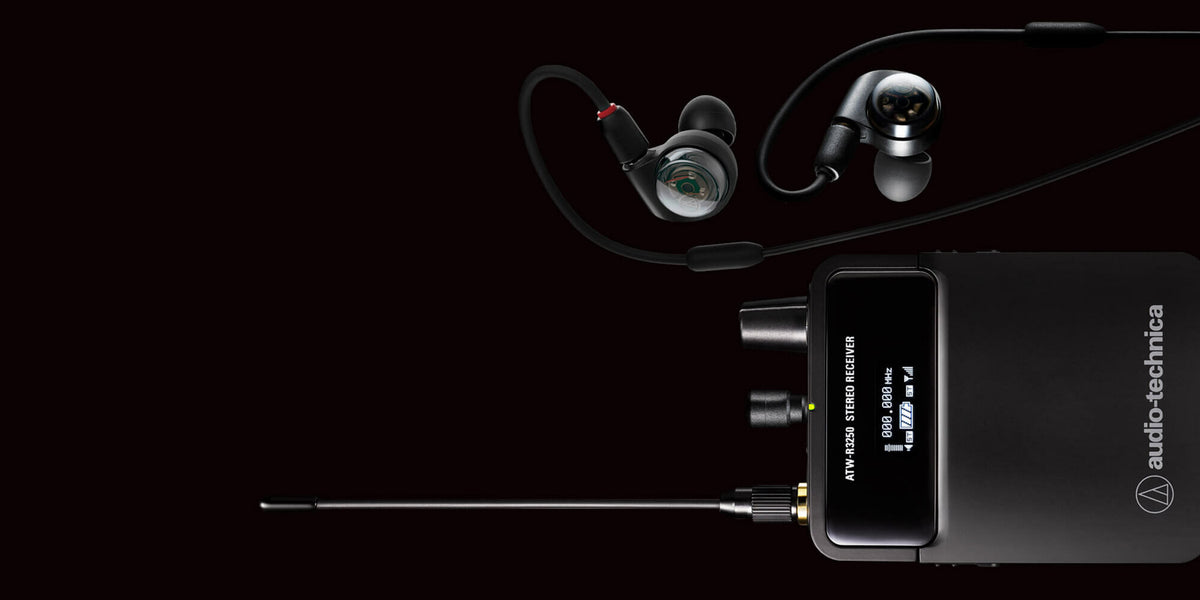
In the past, musicians and singers relied on bulky stage speakers to hear themselves and their bandmates during performances. These speakers took up a lot of space and could have serious limitations for sound clarity. Now, musicians can experience improved sound quality and the ability to move freely on stage by using in-ear monitors. In the past, musicians and singers relied on bulky stage speakers to hear themselves and their bandmates during performances. These speakers took up a lot of space and could have serious limitations for sound clarity. Now, musicians can experience improved sound quality and the ability to move freely on stage by using in-ear monitors. Bananas at Large offers a terrific selection of in-ear monitors for musicians and singers that offer improved performance and clear sound across a variety of ranges. When performers can hear their music, they can put on the best show for their fans. In-ear monitors also offer benefits to music producers who want to create perfect tracks and hear their albums clearly during editing. What Are In-Ear Monitors Used For? In-ear monitors are a relatively simple piece of technology that can work wonders on the stage or in the recording booth. In-ear monitors have an earpiece that rests in the musician's or producer's ear and a small receiver that you wear as a belt pack. This receiver picks up a message from a transmitter and allows you to hear your instrument or voice clearly through the earpiece. In-Ear Monitors: On Stage One of the most common uses of in-ear monitors is during performances, so musicians can hear their instruments or voice over the other music and the crowd. Instead of using traditional stage monitoring, performers can hear themselves and their bandmates clearly to stay in tune and on tempo. When you can hear yourself without straining your ears, you can focus on performing at your best. Wireless in-ear monitors also let you move freely around the stage without worrying about drifting too far from your speaker. In-ear monitors allow more space for jamming out instead of dodging bulky speakers. When your band uses in-ear monitors while performing, you can also enjoy the benefits of lower stage volume. Instead of competing with your bandmate's instruments and the roar of the crowd to hear yourself play, in-ear monitors for bands let you comfortably hear your instrument when playing at lower volumes. Your ears will enjoy the benefit of lower decibels, and your vocal cords will thank you for the break. Lower stage volume also helps your sound engineer have better control over what your audience is hearing while allowing every member of your band to play at their preferred volume. When your house engineer has more flexibility for mixing, your fans will hear your band's best sound. In-Ear Monitors: In the Studio The other most common use of in-ear monitors is in the recording studio. When you're recording your part for a track or album, you can listen to the rest of the instruments through your in-ear monitors to stay on beat. Producers can also use in-ear monitors to produce higher-quality recordings and perform better editing and mastering. Providing crisp, clear sound, in-ear monitors can be just the tool you need to make your best music. Shop In-Ear Monitors

Analog Mixer Vs. Digital Mixer
No matter what kind of music you play, you want your sound to be the best it can be. Several factors are at play that affect your sound and tone, including your equipment and sound setup. In a sound setup, the mixer is almost always the centerpiece because it's multifunctional. You can connect many things into your mixer, like microphones, instruments and more. Your mixer will take all of those inputs and send it elsewhere, like through a speaker. Tons of different mixers are out there that all have unique capabilities. But, the main two types are analog and digital. Below, we'll discuss the differences between analog and digital mixing consoles, the advantages to both types and why you may choose one over the other. Digital Mixers Digital mixers, like their name implies, use electronic sound transmission to operate. This type is more expandable, meaning you can connect a greater number of external devices. A big perk of a digital mixer is that you can preprogram a control ahead of time and pull it up whenever you need it. You can also program a single control to have more than one function, allowing you to have a smaller mixer with greater functionality. Digital mixers are also much more resistant to external sounds compared to their analog counterparts. This can help give you a much cleaner sound. Analog Mixers Analog mixers work in the opposite way of digital mixers — this type of mixer uses analog sound transmission instead of digital sound transmission. There are a few benefits to using an analog mixer instead of a digital one. Analog mixers are much easier to operate because they have only one function per control. With digital mixers, you can easily get confused if you can assign multiple functions to one knob or button. The more simple design is better suited for those learning how to use mixers. Analog mixers are also less expensive than digital mixers. Even though you can often do more with a smaller digital mixer, you're paying for that perk. There can sometimes be a wide gap in pricing between digital and analog, with analog being the much more affordable option. While both types of mixers affect your sound's tone, some people in the music industry claim that analog mixers have a purer sound. While both types will affect your sound's tone, this take is more of an opinion than a fact. Which One Should You Pick? If you're trying to decide whether to go with a digital or analog mixer, just know one is not necessarily better than the other. Analog and digital mixers are both very popular. Since both have their own sets of advantages, it will come down to your personal preference and how you plan on using the mixer. If you can, find people who are willing to show you their sound setup so you can get a feel for both types in person. Doing so could give you a much better idea of whether analog or digital is the better fit for your own needs and expectations. At Bananas at Large, we have a wide selection of Mackie digital mixers available. Browse online or visit us at one of our two locations in the San Francisco Bay Area today.

Synthesizer Vs. Keyboard
Lots of people, musicians or otherwise, use "synthesizer" and "keyboard" interchangeably. However, these terms mean two completely different things. If you're thinking about buying a digital piano, these are your two main options. Below, we'll discuss the differences between keyboards and synthesizers to help you decide which one would be better suited for your unique needs. Keyboards The keyboard itself is the actual instrument, whereas a synthesizer by itself is not actually an instrument. Keyboards look like an acoustic piano with their black and white keys but have a different source for the sound. When you press a key on a keyboard, you're completing an electric circuit that signals the production of the tone for that note. Keyboards are made with portability in mind — they're typically lightweight and easy to transport. They also make great beginner instruments, especially for children. If you're thinking about learning how to play the piano, it's a great first instrument to start with. You can get a decent keyboard for a fair price, so you don't have to make a big investment up front before you know you enjoy it. Synthesizers Keyboards often contain a synthesizer, whether it's simple or complex, but they don't need to have one. Like we mentioned before, a synthesizer by itself is not an actual instrument — it's more like a controller. A synthesizer is much more complicated than the keyboards by themselves. Synthesizers mimic sounds that are made acoustically. Naturally, sounds come from vibrations in the air. Our eardrums pick up those vibrations, which are translated into sounds. A synthesizer has an oscillator, which is the source of the sound that creates electrical signals. Those signals move through an amplifier, then a speaker. The speaker turns those signals into vibrations, which turn into sounds. With additional components, a synthesizer can mimic any instrument and produce many other unique sounds. Which One Should You Choose? When choosing between a keyboard and a synthesizer, you simply have to consider how you're planning on using it. If you want to learn piano and don't need a ton of extra features, a keyboard would work great. If you're looking for a useful tool to add to your home studio, a synthesizer would be the much better choice. Be sure to think about the long-term, too. Even if you're just starting out but are planning on using more complex settings and features later on, you should consider investing in a more complex instrument now. When you're looking at a synth vs. a keyboard, you should talk to someone who really knows their stuff. We've given you a great starting point, but you may have more questions. Shop our selection of Korg portable keyboards and synthesizers to choose from, as well as an expert staff. View our full inventory online or stop by one of our two locations in the San Francisco Bay Area. We're ready to answer all of your questions and help you find a great new instrument.

What Is an Effects Loop on a Guitar Amp?
Whether you're just starting out on electric guitar or are a pro, there may be settings on your amp that you're not quite sure about. You may feel a little intimidated to try them out because you're not sure what the effect will be or what it could do to your amp. Plus, you don't want to risk damaging your amp. The effects loop input/output capability on a guitar amp is a helpful but often underused tool. If you want to learn more about this setting on your amplifier so you can start using it more, read on! What Is It? Effects Loop Explained An effects loop can be used along with effects pedals to keep the sound clean as the amp's power increases. When you start using effects pedals, you learn quickly there's an art to it. The order of your pedals between your guitar and the amp is critical — changing up the order will change up the sound, too. Before effects loop input/output capabilities were added to amplifiers, guitarists would plug certain effects pedals directly into the front of the amp. This worked well for a while — at least until overdrive became more popular. As guitarists added more power and distortion to their amps, their sound turned muddy, and those cleaner tones disappeared in a mucky mess. That's where the effects loop comes into play — literally. When guitarists use the effects loop input/output on their amps, their effects are coming in after the overdrive effect but before the increase in power. The muddy tone will be gone, and you'll get a clear sound with your effects at high power. How Can I Use It? Using an effects loop on your guitar is helpful, but not for every situation. If you're only using distortion, fuzz or boost pedals in your setup, it's not necessary. If you're using modulation, delay and reverb effects, you should be using your effects loop on your amp. Understanding how to use effect loops — and all the other settings on your amp — will help you have even more control over your music. You can put almost any effect into the effects loop input/output on your amp, including delay, reverb, chorus, tremolo and boost. To set up your pedals with the effects loop, you'll be using the jacks labeled "send" and "return" on the back of your amp to create a chain, with your effects pedals between the two jacks. You can still create a chain with other effects between your guitar and the amp. Like always, keep an eye on your levels while you're playing. If the levels of your amp and your effects pedals don't line up — even when they're connected in an effects loop — you'll get a less-than-ideal sound. Now that you know the basic concept of an effects loop, go experiment! The type of sound you create is up to you. What one guitarist thinks sounds great, another may not like. Let your creativity run wild while you're creating a sound that's all your own. To pick up any new equipment, like Boss Effects Pedals and Amplifiers, visit one of our two Bananas at Large locations today.

Complete Guide to Guitar Strings
With different gauges, types and brands to choose from, how do you know which guitar strings are right for you and your guitar, especially if you're a beginner just starting out? While there is no perfect formula for finding the right guitar strings, this guide to guitar strings will help you navigate your playing and style preferences to find strings that fit your instrument and your style. Different guitar strings can influence the tone of your guitar, and provide different benefits and challenges. Finding the right guitar strings is well worth the effort because the proper strings can help you achieve the sound you're striving for. When to Change Guitar Strings The first question many new guitar players ask is how often they should change their guitar strings. There is not a simple, single answer to that question — some guitarists change their strings only once a month, while others change strings a few times a week. Many factors determine how often you should change your guitar strings, and these vary among players, instruments and playing habits. Here are a few factors that influence when to change your guitar strings: How often you play: The more often you play your guitar, the more quickly your strings will become worn out. Guitar strings wear out mainly because of corrosion caused by the oils in your skin. Collection of dirt and general wear from playing also cause strings to age more. If you only pull out your guitar every few days, your strings may last for a few months, but if you are strumming away for hours every night, you will burn through guitar strings faster. How hard you play: Everyone has a different playing style, and while we would never say one is better than another, your guitar strings will wear out more if you tend to strum hard or pick aggressively. If your style involves a lot of string bending, you can expect your strings to lose tension and quality more quickly. If you are more of the gentle acoustic type, your strings will likely last longer. How well you maintain your guitar: Keeping your guitar clean will help the strings last longer. When you play in a dirty or smoky environment, the strings become corroded more quickly. If you wipe down your strings after playing and store your guitar in a clean environment, you will not need to change your strings as often. Level of professionalism: Perhaps the most significant factor that influences how often you should change your strings is how much you care about sound quality. The age of your guitar strings will impact the quality of your tuning and tone, and new strings will produce a clearer sound. If you play guitar for fun and are not too concerned about perfect tone or clarity, you can play on old guitar strings longer. On the other hand, if you are recording or performing frequently, you may want to change your strings more often to achieve a bright, clean sound versus A good way to think about changing your guitar strings is the same way you would think about replacing running shoes. If you run every day, you will wear out the soles of the shoes faster. If you run in the rain, your running shoes will also deteriorate more quickly. If you only go on a run once a week and keep your shoes clean and dry, they will stay in good condition for a longer time. The same concept applies to your guitar strings. However, compared to a worn-out shoe, it takes more experience and practice to be able to see — or hear — when a guitar string needs replacing. Many talented guitar players never change their strings until one breaks. In the end, it is all about your personal preference. How to Tell When It's Time to Change Guitar Strings Since it varies from person to person, how do you know when you should change your guitar strings? By paying attention to the sound and condition of your guitar, you can recognize when it's time to change your strings. Here are a few factors to consider if you think it might be time for a guitar string upgrade: Tone: As your strings experience wear and tear, it affects the way they resonate and sustain — which, in turn, alters the tonal quality of your instrument. New strings will sound bright and clean, while old ones sound flat and dead. When you are new to guitar, it can be difficult to discern this subtle decline in tone as your strings age. However, when you do change the strings on your guitar, the difference in tone is often striking. Tuning: Worn-out guitar strings are also more difficult to get in tune and keep in tune. If you primarily play casually or on your own, this may not be as important to you. However, if you play in a band or with friends, keeping your guitar in tune is essential to a consistent and high-quality sound. Corrosion or breakage: If you look closely at your guitar strings or compare them to a new set, you may be able to see discoloration or rust on older strings. Sometimes, you may even see the wire peeling away from the string as it corrodes. This deterioration of your guitar strings will make them more likely to break, which can be a major inconvenience if you are on stage performing when it happens — although some players love the hardcore vibe of playing until their strings burst. The longer you play your instrument, the better you will become at recognizing the signs it is time for a string change. By paying attention to how frequently your strings become worn out, you can better anticipate when you need to change your strings and prevent them from breaking. How to Make Guitar Strings Last Longer Even if you play your instrument very frequently, there are still a few ways you can increase the lifespan of your guitar strings so they provide quality sound longer: Keep your strings clean: The easiest way to keep your strings in good condition is to wash your hands before you play and clean your strings after you play. Wipe the strings with string cleaner and a microfiber cloth to remove dirt and oil. Store your guitar properly: Rather than leaving your guitar lying out to collect dust and dirt, store it safely in a clean environment or case. If you are performing at a particularly smoky or dirty venue, keep your guitar in its case when you are not playing. Adjust your playing style: If you are constantly breaking strings or going through them more quickly than normal, consider strumming a little more gently. Adjusting your playing style can relieve some stress on your guitar strings so they last longer. Avoid changing your tuning: Each time you change the tuning of your guitar, you put stress on the strings. However, if you are performing songs that require you to change tuning often, be prepared to change your strings more often, too. Maintain other parts of your guitar: Sometimes strings break not because of use or playing style, but because the bridge saddles are too sharp, the frets are too rough or the nut or tuning pegs are dirty. Checking these pieces regularly is good general guitar maintenance. By taking care of your instrument and strings, you will earn more life out of your guitar strings and experience better-quality sound. How to Choose Guitar Strings Different strings will bring out unique tonal qualities in your guitar because the material and size cause each string to vibrate distinctly. Even the same material and size of the string may sound different across various brands due to changes in manufacturing processes. The best place to start is to know what kind of music you want to play and what type of sound you hope to produce. Do you want a smooth, mellow guitar for folk music, or do you want your instrument to sing out sharp, crisp notes for rock and roll? The type of strings you buy will have a tremendous impact on how your guitar sounds and the style you create. Guitar strings vary in a few different ways, including the size or gauge, the type of material they are made of, the way they are wound and the company that produced them. With a little knowledge, you can make an informed purchase and find great strings for your guitar. In the next few sections, we will break down each of the different qualities of guitar strings to help you select the perfect set. Guitar String Sizes The size of a guitar string is called the gauge and is a measurement of the diameter of the string. The thickness of a set of strings is often based on the thinnest string, the high E string, measured in thousands of an inch. So, if the gauge of a set of strings is nine, that means the E string is 0.009 inches thick. The rest of the strings have a proportional thickness that allows players to tune their guitar properly and the strings to have appropriate tension. For most guitars, there will be a "correct" gauge size to use, so the strings will have the right tension and sit the proper distance above the fingerboard. That doesn't mean you can't change the gauge of your guitar, but you might need to have your guitar modified to accommodate a different gauge. This setup may involve a bridge or neck adjustment. The primary reason to change the gauge of your guitar strings is for comfort while playing, as heavier gauges are more difficult to strum than lighter gauges. However, the string gauge also has an impact on the tone and sound of your guitar. For electric guitar, the most comfortable string gauge typically falls between nine and 11 for most people. However, thicker and thinner strings are available. If you are just getting started, begin with a string gauge in this range, then adjust as necessary. The most popular gauge for electric guitar strings is 10. For acoustic guitar, heavier gauges are more common because the vibrations of the strings need to be strong enough to resonate in the body of the guitar and amplify the sound. Generally speaking, lighter gauges will be easier to play and produce more treble tones, while heavier-gauge strings will be more difficult to strum and produce more bass tones. Here are a few more differences between lighter and heavier guitar strings. Light-gauge guitar strings have the following characteristics: Lower string tension and stress on the guitar neck Easier to strum or pick Lighter and "tinnier" sound Better for string bending and fretting Produce less volume Somewhat less stable tuning More prone to breakage Can cause fret buzzing Meanwhile, heavy-gauge guitar strings are characterized by: More string tension and stress on the neck More challenging to strum or pick Stronger bass tones and darker sound Better for hard playing or strong picking Preferred for alternative and low tunings Produce more volume and sustain More stable tuning Less prone to breakage When you first purchase strings, it is easiest to buy a pre-packaged set with the appropriate gauge for each string. However, as you progress as a guitarist, you may want to experiment with a hybrid string gauge. Using heavier low strings and lighter high strings can allow you to strum hard on the bottom strings and bend the top ones easily. Types of Electric Guitar Strings On a standard six-string electric guitar, there are three unwound and three wound metal strings. All of the strings are made of the same core metal, and the wound strings have an additional winding wire wrapped around the core to make them thicker. Electric guitar strings can be made from several different metals, which each offer unique benefits and challenges. Here are a few of the most popular metals for electric guitar strings: Nickel-plated steel: Guitar strings made of nickel-plated steel have a steel core with a thin coating of nickel on the outside. This hybrid metal is one of the most popular options for electric guitar strings, as they are versatile enough to work for almost any genre. Nickel-plated steel strings provide a tonal balance of both smooth and warm and bright and snappy. These strings have an even and comfortable feel, while still offering strong pick attack for more defined articulation. Stainless steel: Sharp and powerful, stainless steel guitar strings produce a bright attack and a crisp sound. A benefit of stainless steel strings is that they are resistant to corrosion, so they can last a long time. They also tend to have less finger squeak than other strings. A downfall to stainless steel strings is that they are physically harder than most other strings, so they can be painful on your fingers if you are just starting out. Pure nickel: If you are seeking a warm and mellow tone, pure nickel guitar strings are for you. The soft and smooth tone of nickel guitar strings is reminiscent of a vintage guitar sound, making them desirable for players who want to emulate years gone by. Other metals: While nickel-plated steel, stainless steel and pure nickel are the most common string types, you can experiment with a variety of other metals for your guitar strings. Cobalt is a dynamic guitar string option that offers a wide range of tones and has a reputation for producing a bright, powerful and clean sound. Cobalt strings also have great pickup response. Like stainless steel strings, cobalt is hard and can be tough on your fingers. Titanium is another strong guitar string material that produces a bright tone. Titanium strings are also very durable and have a long lifespan. Chrome and copper guitar strings are softer options that produce warm tones and low resonance. However, because they are softer, they are also more prone to breakage. Each person is different, and for some people, the oils in your skin may react poorly to certain metals and cause the strings to corrode more quickly. You should also keep in mind the frets on most guitars are nickel, so using stainless steel or another hard metal may cause them to wear out faster, whereas softer metals like nickel will not. Replacing a fret is a lot more expensive than changing strings, but you may want to take the risk of harder strings to produce a sound you love. Luckily, in contrast to gauge, which is more difficult to adjust, you can try a variety of different metals for your guitar strings without making any other adjustments. It allows you to experiment with different sounds until you find the right strings for you. Types of Acoustic Guitar Strings For acoustic guitars, there are only two common materials for strings, but each produces a very different sound. You will have to determine what type of music you want to make to choose which type of strings are best for your acoustic guitar: Phosphor bronze: A suitable choice for any genre, phosphor bronze guitar strings produce a full and smooth tone with medium brightness. Phosphor bronze strings are particularly excellent for those who want to produce a mellow and round sound. These brass-colored strings resist corrosion to last longer. 80/20 bronze: For more brightness and pick attack, 80/20 bronze guitar strings are the right choice. These copper-colored strings are also called bronze/brass strings and produce crisp and sharp tones. A downfall to 80/20 strings is that they are not as resistant to corrosion and tend to wear out more quickly than phosphor bronze strings. Types of Classical Guitar Strings String material primarily distinguishes classical guitars from their acoustic and electric counterparts. While classical guitars have the same wooden body type and shape as acoustic guitars, their strings are a softer material such as nylon, nylgut or carbon fiber instead of metal. Classical guitar strings were traditionally made from the innards of farm animals and called "catgut" guitar strings. The production of nylon strings has now replaced that practice, as it is more affordable and morally acceptable. Below are a few of the common types of classical guitar strings in use today: Nylon: As the most popular choice for classical guitar, nylon strings produce a clear tone and are fairly affordable. Nylon strings are soft to pluck and provide the mellow tone that characterizes classic guitar, while also allowing for a bright attack. A variety of nylon strings are available, but the most common are clear, black or rectified nylon. Nylon strings are typically a smart choice for recording, as they produce a smoother sound. One downfall to nylon strings is that they can produce a large difference in volume between the wound bottom strings and the top strings. Nylgut: Nylgut guitar strings provide the closest sound to traditional catgut guitar strings, without requiring animal intestines to produce them. While catgut strings are also very prone to snapping, artificial nylgut strings are much longer-lasting. Carbon fiber: A newer option for classical guitar strings, carbon fiber strings produce a louder and brighter sound than nylon strings. Carbon fiber strings are an excellent option for performing, due to their higher volume and increased ability to project sound. A downfall to carbon strings is that it can be harder to produce vibrato. They are also rougher on the fingers than nylon guitar strings. Roundwound vs. Flatwound Guitar Strings In addition to different gauges and metals, guitar strings can be either roundwound or flatwound. This feature only applies to the bottom three strings that have a wire wrapped around the metal core. Roundwound guitar strings have a round wire wrapped around the core metal, while flatwound have a smooth wire. Most guitar players will not stray from traditional roundwound strings, but flatwound strings can produce a unique sound for those who do. Here are some differences in tone and playing style of roundwound and flatwound guitar strings: Roundwound: These guitar strings produce a bright, round tone with longer sustain, low string tension and more harmonics. The round wire also creates a ridged texture that makes them easier to grip. Two downfalls to roundwound strings are that they produce more wear on the frets and lead to more finger squeak. Roundwound strings are a traditional choice and are much more common than flatwound strings. Flatwound: These guitar strings feature a warmer, more mellow sound with less finger noise and often last longer than roundwound strings. The flat surface of flatwound strings allows an easy slide and smooth sound that makes them popular with jazz guitarists. Uncoated vs. Coated Guitar Strings Uncoated guitar strings have been the standard for years, but coated guitar strings are gaining popularity. This fairly new technology uses polymer webbing to coat the strings to protect against corrosion and oxidation. Coated guitar strings have a longer lifespan, meaning you will not need to purchase new strings as frequently. Coated strings also have less finger squeak and provide a consistent sound that is ideal for recording. However, because of this coating, it also means the string does not vibrate as much, which influences the tone and output of your playing. How to Find the Best Guitar String Brand Once you have chosen the right gauge and metal type for your playing style, you will have to determine which brand suits you best. Because of differences in manufacturing practices, each brand will offer a subtly different sound, even between the same gauge and type of guitar strings. The good news is that guitar strings are relatively affordable, so you can experiment a bit to find a brand you love. Finding the right guitar strings for your guitar and your playing style will take some trial and error. Don't be afraid to buy a few different packs to test out and listen for the subtle tonal and quality differences. Once you begin to develop your unique style, you will know which strings complement your music best. When you have found your perfect strings, keep an eye on their cleanliness and condition to determine how often to change them. Keep track of when you change your strings, so you don't get caught off-guard by a string snapping and can maintain a clean and beautiful sound. If you really jam out, you may want to have a few extra packs of guitar strings on hand — just in case one of them breaks in the middle of an intense performance. Investing in a string winder is also a great idea for faster guitar string changes. Guitar Strings From Bananas at Large At Bananas at Large, we offer a wide variety of guitar strings from all the best brands, including D'Addario, who is the world's leading manufacturer of fretted strings. Shop our guitar strings online to find the strings you want from our curated collection or head to one of our California locations to chat with an expert about the right guitar strings for your playing style. If you are not confident about changing your guitar strings yourself, Bananas also offers professional guitar restring services. If you are switching gauges, our guitar experts can perform setup and repair to get your instrument in tip-top shape. Finding the right guitar strings for you will be well worth the effort to produce high-quality sound, no matter what kind of music you play.

How Does an Electric Guitar Work?
If you're a musician, no matter how long you've been playing, you may not have ever thought about exactly how your instrument creates its unique sound. While there are classes of instruments, like strings, woodwinds, brass and percussion, each one works a little differently. Understanding how your electric guitar — or any other instrument — works can be beneficial in achieving the right tone. Basic Parts of the Electric Guitar To understand how electric guitars work, you need to understand their basic structure. Electric and acoustic guitars have a lot in common, but electric guitars have unique features that distinguish them from their acoustic counterparts. Acoustic guitars rely on resonance to make their sound and have nylon or steel strings. Electric guitars often have solid bodies and metal strings, but they can have hollow and semi-hollow bodies, as well. The type of strings is more critical with electric guitars because they're needed to produce the right frequencies. Another unique feature of electric guitars is the whammy bar, which gives the sound a wavering effect. With an acoustic guitar, you only need your guitar to start playing, as it works on its own exactly like a speaker does. When you have an electric guitar, you need some extra equipment to get the instrument's distinct sound. You need an amplifier and the appropriate cables to get the powerful sound out of the electric guitar. Unlike the acoustic guitar, this setup lets you put a wide variety of effects on your music with the help of effects pedals. Pickups — the Key to the Electric Guitar's Sound Arguably one of the most important parts of the electric guitar are the pickups. The pickups are located on a metal or plastic bar on the body of the guitar, where the strings attach to the body. As the name suggests, this part picks up the vibrations from the strings and turns them into music. The pickups are made from magnets wrapped in copper wire. These magnets create a field around the pickup, and when you strum or pluck the strings, the pickup reads the changes in that field and turns those vibrations into electric signals. You then need an amplifier and speaker to be able to hear those electric signals as music. There are a few different types of pickups. Single coil pickups are made with a single magnet, and humbucker pickups are made with two magnets positioned next to each other. In addition to these two types of pickups, this piece can be active or passive. The main distinction between the two is that active pickups have fewer coils of wire and rely on a preamp run by a power source — usually a battery. The type of pickup will affect the guitar's tone. An easy way to understand an electric guitar's function is that it works the same way the alternator in a car does. When you pluck the strings, the motion of the wire strings occurs in the pickups' magnetic field. The wire moving in the magnetic field generates electricity — which means an electric guitar actually generates electricity. If you were to strum hard enough, theoretically, you could power a toaster, light bulb or another small appliance. The electric guitar is a complex instrument, especially when you start adding in effects pedals and other equipment. Understanding how your guitar works will help you create the sound you want and also recognize when it isn't working the way it should. Browse through our selection of electric Ibanez guitars today or contact us at Bananas at Large to learn more.


Is It Too Late to Learn Guitar?
Learning a new skill can be a little bit intimidating. With any new activity or hobby, you'll have to get past a learning curve. But, learning a new skill or hobby gives you a fun way to spend your time and get creative. The guitar is one of the most popular instruments to learn, second only to the piano. If you really want to learn to play the guitar, you should go for it! Some people have ideas that may be holding them back though, like their age. Am I Too Old to Learn Guitar? If you're wondering if you can learn guitar at any age, the answer is simple — yes! You're never too old to learn to play the guitar. Some teachers have students broad age ranges, from children as young as four or five to seniors. In fact, there are lots of benefits to learning the guitar when you're older, such as having: More Time: When you're younger, you have a lot of stuff going on! You have to go to school and do your homework, see your friends and participate in other extracurricular activities, too. As an adult, you have a more regular schedule and more time to devote to things you want to do. More Resources: With more disposable income, buying a guitar and other equipment you need won't be an issue. You can also sign up for regular lessons from a reputable teacher in your area. Or, you can use other resources to learn — there are tons of great, and often free, learning tools on the Internet you can take advantage of. Better Time Management: Adults are often more disciplined and better at time management. If you're really excited to learn the guitar, it will feel more like a privilege than a chore to play. If you're worried about being too old to learn the guitar, try not to worry! Lots of people like you are trying something new a little later in life. As you can see, there are actually more things in your favor to learn than against you! All You Need Is Motivation If you have the desire to learn, you should give it a try. Even if some factors are working against you, you can make it happen with some planning and organization. The only thing you need to get started is the right motivation — and of course, your guitar. If you're in the San Francisco Bay Area, Bananas at Large is the place to get started. We have a wide selection of Yamaha acoustic and electric guitars, as well as a variety of other instruments. And, you can take lessons with us, too! Our teachers are some of the best in the area. Stop by one of our two locations — Santa Rosa or San Rafael — to learn more.

Most Popular Recording Microphones
When you're in the studio, your goal is to record the best quality music you can. While you're recording, the microphone you're using can play a big part in that quality. We've put together a list of Six of the most popular recording microphones on the market. Take a look at what makes them popular — we've considered essential factors like sound quality, setup, pricing and more. 1. Shure SM57-LC This instrumental microphone will pick up the main sound you're targeting and tune out background noise. It is an excellent pick for recording drums, woodwinds — like clarinet or saxophone — and guitar in the studio. The Shure SM57-LC is a favorite with musicians and producers with home studios. If you're just starting out and need an affordable and durable mic, this is a great pick. The Shure SM57-LC has a mountable design and is priced at $99.99 from Bananas at Large. 2. Sennheiser E906 Another instrumental microphone, the Sennheiser E906 can pick up a variety of instruments, including percussion, amplified guitars, and horn. This is an adaptable microphone that can pick up many different musical tones. Whether you want your music to sound bright, dark or somewhere in between, this mic can record it. The Sennheiser E906 is also a mountable mic priced at $189.95 from Bananas at Large. 3. Shure SM58-LC Our first two microphones were designed to record instrumentals. The Shure SM58-LC was made to record vocals. Vocals are an essential part of most genres of music. Recording vocals are different than recording instrumentals. This microphone was made to pick up the unique tones of a singer's voice. It minimizes the popping sounds that can commonly occur while recording vocals. Reducing this sound and other background noise will give you a higher-quality recording to work with later on. The Shure SM58-LC also has a mount design and is currently on sale for $89 from Bananas at Large. 4. MXL 2006 If you're looking for a great, all-around microphone, the MXL 2006 is the perfect piece of equipment. You can do almost anything with this mic and are sure to get a great recording. For example, you can record vocals and other feature sounds. If you're a sound designer, you can record a number of different snippets to use as effects and for other purposes. You can also record instrumentals — both acoustic and electric guitar and percussion. The MXL 2006 is a favorite among recording musicians. You don't need multiple microphones because this mic can do it all. Its versatility also makes it an excellent pick for those who are just starting out. This microphone comes with a protective case and has a mount design. It's priced at $99.95 from Bananas at Large. 5. ADK Zeus Microphone The Zeus Microphone from ADK is a multi-tasking tube mic made for home and professional studios. With 4 settings and 81 tools, it's got tons of functionality for the modern musician The ADK Microphones Zeus Tri-Polar Tube Microphone runs for $697.00 at Bananas. 6. ADK Hamburg 67-T If you are looking for versatility this is the microphone for you. This microphone is designed after the U67 which has been providing great recording capability since the 1960s. Created by a Physicist and a Belgium Engineer, this microphone is designed for optimal performance in any situation. A three-way switch on the front allows you to select from Figure- 8, Cardioid and omni pickup patterns. It also looks great with it 60's stylish feel and a gorgeous matching carrying case. The ADK Hamburg 67-T runs for $1497 at Bananas at Large and is every bit worth the price tag. Find Your Next Recording Microphone From Bananas at Large Bananas at Large has a wide selection of recording microphones. Browse through our full inventory of mics today to find the microphones listed above and many others. We've also got all the other equipment you need for your home studio. Browse online or visit one of our stores in the San Francisco area.